
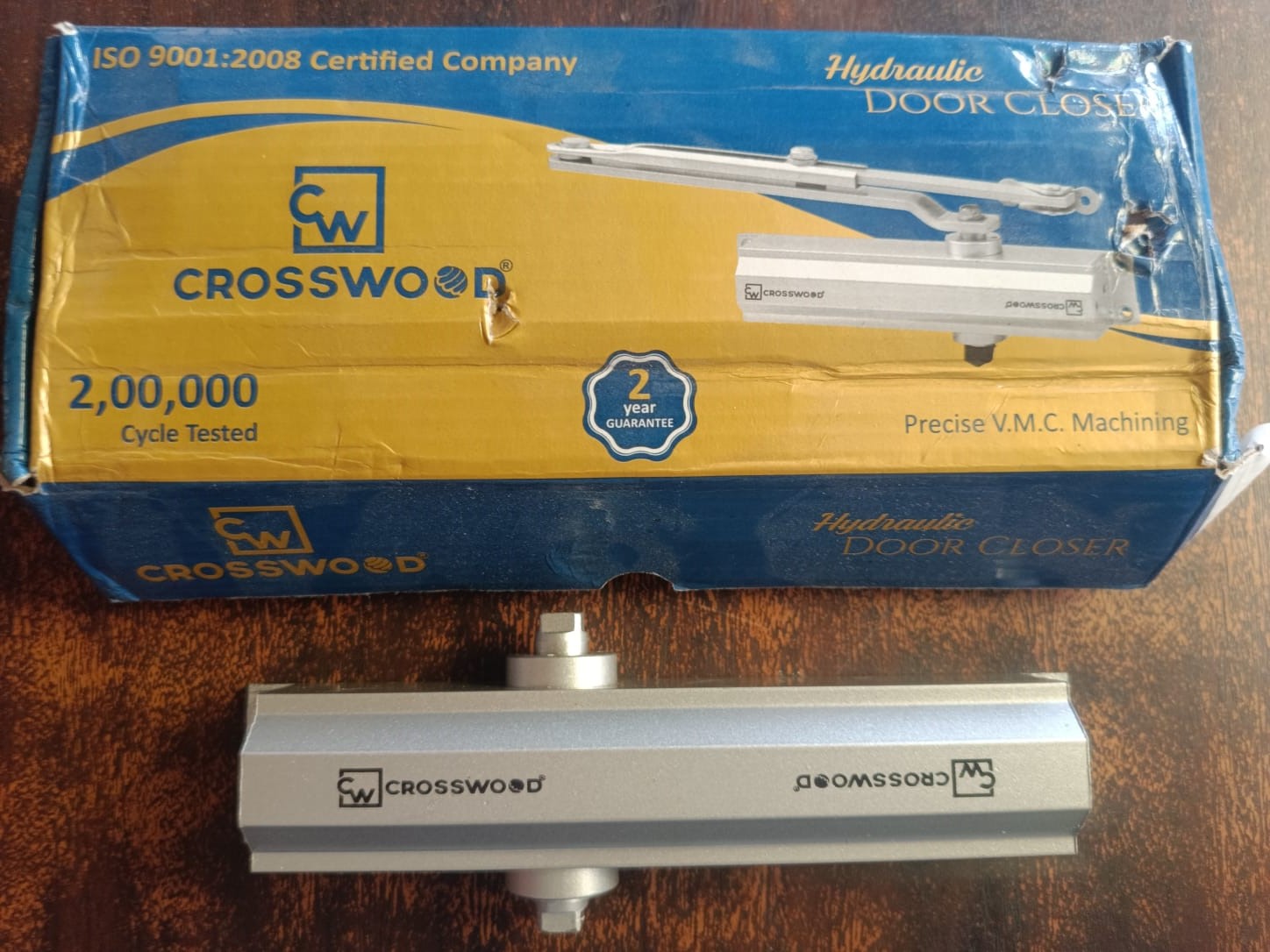
Installing a door closer is an effective and straightforward way to enhance the safety and convenience of any building. Whether in a residential property, a commercial office, or a public area, door closers provide numerous benefits that extend beyond simply ensuring doors close gently. This article will delve into the various advantages of door closers, guide you on selecting the right one for your requirements, and highlight essential factors to consider during installation and maintenance.
What Is a Door Closer?

A door closer is a mechanical device designed to manage the closing of a door once it has been opened, ensuring that it shuts smoothly and in a controlled manner. These devices are typically installed on both interior and exterior doors in residential and commercial settings. Depending on the specific model, a door closer may be surface-mounted, concealed, or built directly into the door’s design. The main purpose of a door closer is to automatically close the door after it has been opened, thereby improving both convenience and security.
Why You Should Consider Installing a Door Closer
There are many compelling reasons to consider installing a closer. From enhancing energy efficiency to increasing safety, door closers fulfill various practical functions:
1. Enhanced Security
One of the primary benefits of a door closer is its ability to ensure that the door remains securely closed at all times. This feature is especially valuable in commercial environments or apartment buildings where security is a top priority. A door left accidentally ajar can lead to unauthorized access, posing a risk to both property and individuals. By automatically closing the door, the door closer provides an additional layer of security without the need for human effort.
2. Energy Efficiency
In both residential and commercial properties, energy efficiency is an important consideration. Doors that are left open can allow air-conditioned or heated air to escape, causing an increase in energy consumption. Installing a door closer ensures that doors remain closed when not in use, helping to reduce energy waste and lower utility bills. This can be especially important in areas like hallways or entrances where climate control is critical.
3. Improved Accessibility
For individuals with disabilities or limited mobility, opening and closing doors can be a challenge. Door closers, especially those with adjustable features, can be a great solution. Many models allow for easy customization of the closing speed and force, making it easier for people to pass through the door without struggling to push it open or shut. This makes door closers an essential component in creating a more accessible and inclusive environment.
4. Prevents Door Damage
A common issue with doors is slamming, which can damage the door, the frame, and even the surrounding walls over time. By controlling the speed and force with which the door closes, a closer helps to prevent this kind of wear and tear. This means your doors will last longer and require fewer repairs or replacements.
Types of Door Closers
When selecting the right closer, it’s important to understand the different types available on the market. Here are the most common types:
1. Surface-Mounted Door Closers
Surface-mounted door closers are one of the most popular options and are installed on the surface of the door or the frame. They are easy to install and come in a variety of designs to suit different door sizes and applications. Surface-mounted door closers are highly versatile and can be used on both interior and exterior doors.
2. Concealed Door Closers
As the name suggests, concealed door closers are hidden from view, typically installed within the door or the frame. These are ideal for situations where aesthetics are a priority, as they maintain the clean lines of the door without visible hardware. Concealed door closers are often used in high-end residential properties and commercial buildings where design matters.
3. Floor-Spring Door Closers
Floor-spring door closers are installed in the floor beneath the door, making them perfect for heavy-duty doors such as those found in glass storefronts or industrial settings. These closers are known for their durability and ability to handle large, heavy doors while still providing smooth and controlled closing action.
4. Overhead Concealed Door Closers
Similar to surface-mounted door closers, overhead concealed closers are installed in the header of the door frame, making them invisible when the door is closed. These are commonly used in glass doors and aluminum storefronts.
Key Considerations for Choosing a Closer
When selecting a door closer, there are several factors to keep in mind:
1. Door Size and Weight
The size and weight of your door will largely determine which type of closer you should choose. Heavier doors require stronger closers, while lighter doors can use smaller, less powerful closers.
2. Adjustability
Many closers come with adjustable settings that allow you to control the closing speed, latching action, and backcheck (the feature that prevents the door from slamming open). For high-traffic areas, adjustable door closers are ideal as they can be fine-tuned to meet specific needs.
3. Fire Rating
In many commercial buildings, fire-rated doors are required by law. A fire-rated closer ensures that the door will automatically close in the event of a fire, helping to contain smoke and flames and protect the building’s occupants.
4. Environmental Conditions
For exterior doors, you’ll need a closer that can withstand the elements. Look for a model that is weather-resistant and designed to function well in extreme temperatures, high humidity, or heavy wind conditions.
How to Maintain Your Closer
To ensure your closer continues to perform well, it’s important to maintain it regularly. Here are a few maintenance tips:
- Regular Lubrication: Lubricating the moving parts of the closer will help it operate smoothly and extend its lifespan. Be sure to use the appropriate type of lubricant recommended by the manufacturer.
- Check for Leaks: If your closer uses hydraulic fluid to control the speed, check for any leaks that could affect its performance. If you notice fluid leaking from the closer, it may be time to replace it.
- Inspect for Loose Screws: Over time, the screws that secure the closer can become loose, affecting its operation. Regularly inspect the closer and tighten any loose screws to keep it functioning properly.
Conclusion
This is more than just a convenience – it’s a crucial component in maintaining security, energy efficiency, and accessibility in both residential and commercial properties. With the right closer, you can improve the functionality of your doors, protect them from damage, and enhance the overall safety of your building. By carefully choosing the right type and maintaining it properly, your closer will provide years of reliable service.